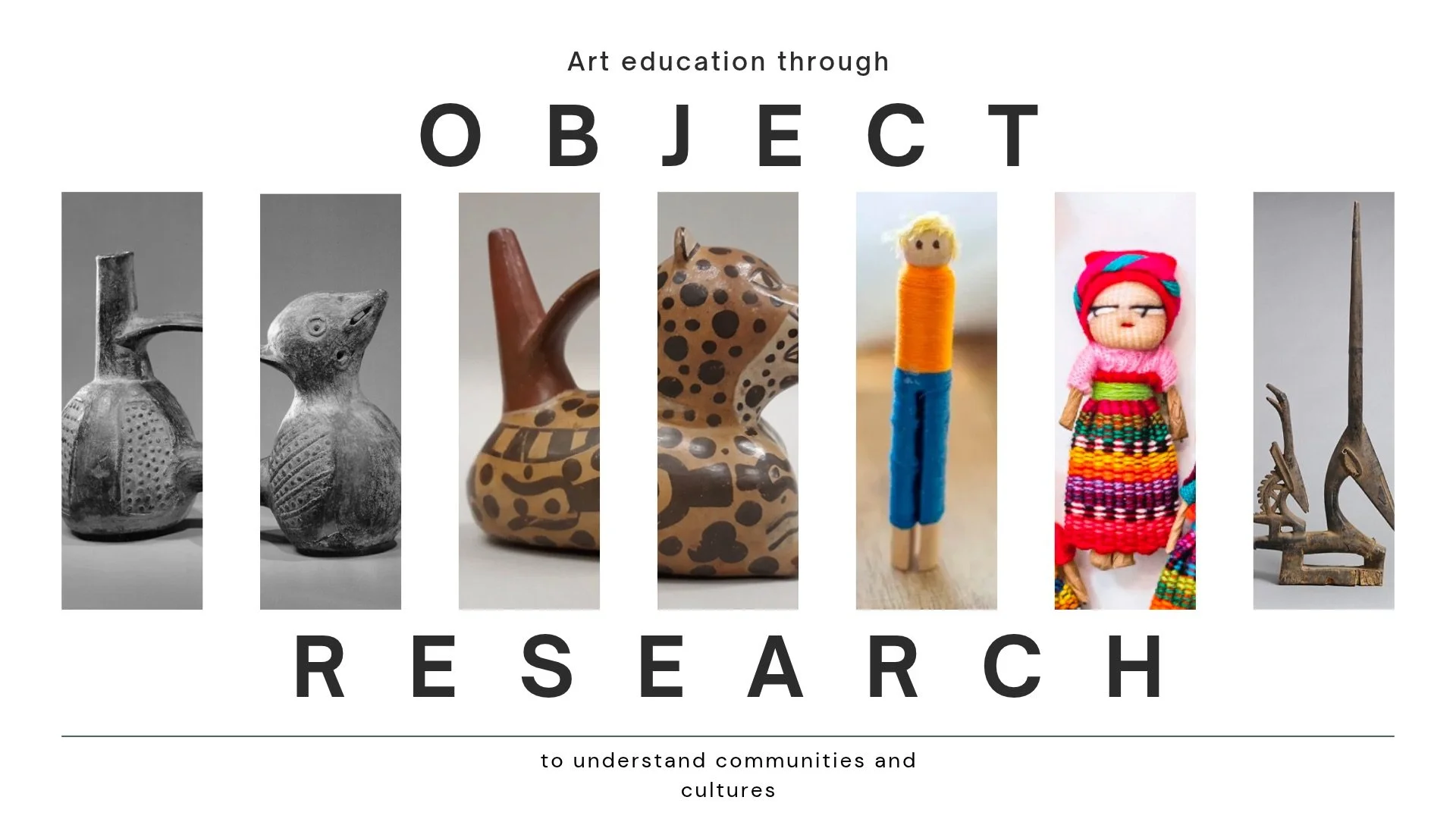
I help you build art education practices that reflect the communities you serve.
I work with arts and education leaders on curriculum design and cultural policy, and I mentor teachers and students who want to grow as creative thinkers.
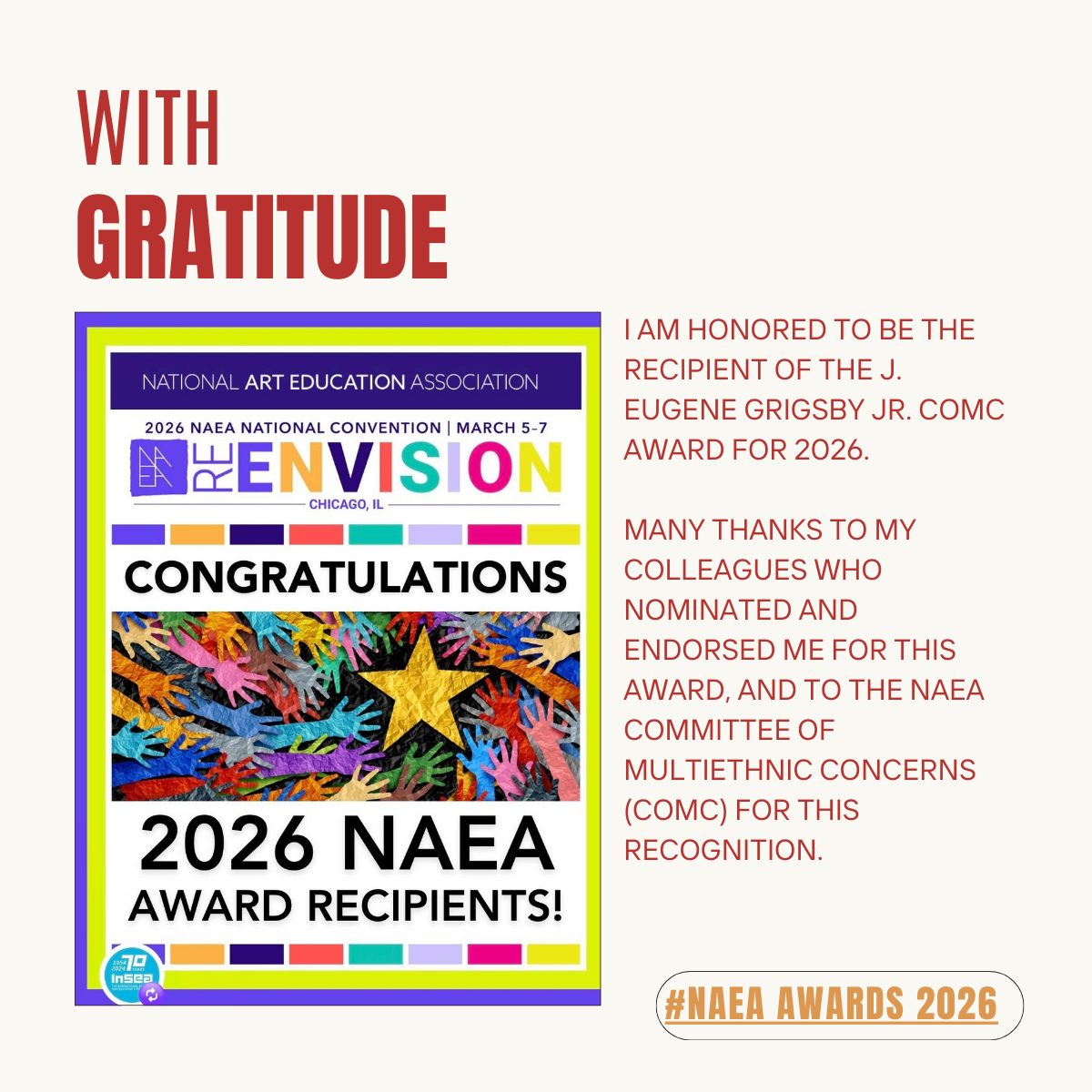
Former Professor of Art Education and department chair at two R1 universities · Co-editor of two Routledge books · Recipient of the 2026 NAEA J. Eugene Grigsby Jr. National Award
My work ethos
I believe our most authentic selves take shape as we move between our inner lives and the outer world. We rarely stay in one state for long. We shift between order and chaos, and between conformity and freedom, sometimes willingly and sometimes with resistance. That movement can fuel our creativity, or it can be used to control us, and over time it becomes hard to tell which of our choices are truly our own.
My purpose is to help artists, educators, and creative workers notice these points of tension and work through them, using processes of thinking and making that help them find their voice. As an artist, teacher, and researcher, I know how powerful and how vulnerable our many roles can make us. This shapes my approach of looking at problems from different angles and treating active citizenship as a way of learning and living more inclusively.
How can we fully devote ourselves to a cause without losing our own identity and vision?
Work with me
-
I provide consultations and workshops on art and culture policy, curriculum development, inclusive leadership and team culture management, program reviews, and mentorship programming.
Request a booking to:
Design /deliver art and visual culture curriculum
Develop cultural policy statements and maps
Develop community engagement strategies and assessment design
Train educators in creative leadership
Develop arts-based research design
Offer arts-engaged career advising
Art portfolio preparation for college applications
-
Request a booking if you are interested in inviting me as a keynote or guest speaker/panel member/discussant at an event/podcast that calls for my areas of expertise
-
I provide workshops for groups, as well as individualized mentorship in mindful engagement with art and visual culture. Examples of work I have done:
For schools and teachers:
Professional Development workshops for teachers (Art and Art Integration)
High School/ IB Art: Support for students undertaking IB visual art program, emphasizing personal expression and visual literacy
For K-12 students:
1:1 Portfolio Preparation for art college applications
High School/ IB Art: 1:1 Coaching for students undertaking IB visual art program, emphasizing personal expression and visual literacy
For Lifelong learners:
Storytelling with art: Creative writing and artmaking for personal expression (workshop)
Exploring values through mythology: Explore how symbolism in art from various cultures builds family and community values (workshop)
My digital life: An arts-based examination of your digital immersion and the impact it has on your everyday life (workshop)